Robin Rosenbluth searched for the meaning of family for years. She found it when she left home.
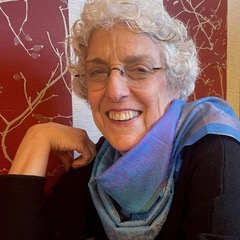
A former youth in foster care, a Jewish woman, and a member of the LGBTQ+ community, Robin spent much of her life navigating questions of identity, belonging, and what it means to feel truly connected to other people. Today, she is a wife, mother, grandmother, experienced fundraiser, and advocate for older youth in foster care. She serves on the board of You Gotta Believe, a New York nonprofit dedicated to finding permanent families for older foster youth.
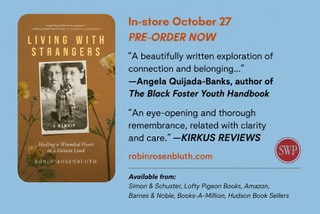
In her forthcoming memoir, Living With Strangers: Healing a Wounded Heart in a Distant Land, A Memoir, Robin reflects on her experiences growing up in foster care and the year she spent living in Songa, Kenya. Through her time in the village, she began to understand how relationships can shape our lives and how family can come from people we never expected to find. Kidsave spoke with Robin ahead of her book's release. Watch our exclusive interview on our YouTube channel (link).
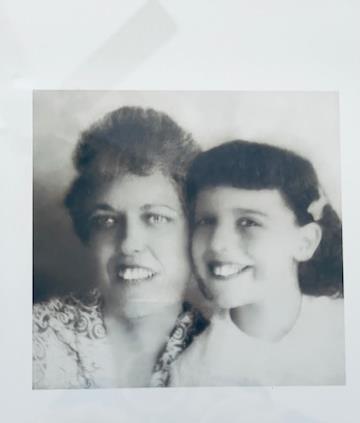
Robin's mother died when she was young. She wanted her father's approval and blessing, but instead experienced abandonment and criticism. Without the support she needed from him, Robin had to find her own way forward and create a life for herself. Her experiences in foster care became part of that journey, shaping her understanding of family and her search for a place where she felt accepted and supported.
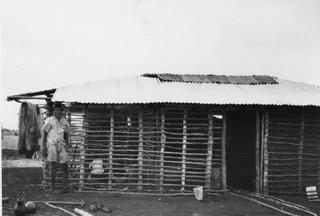
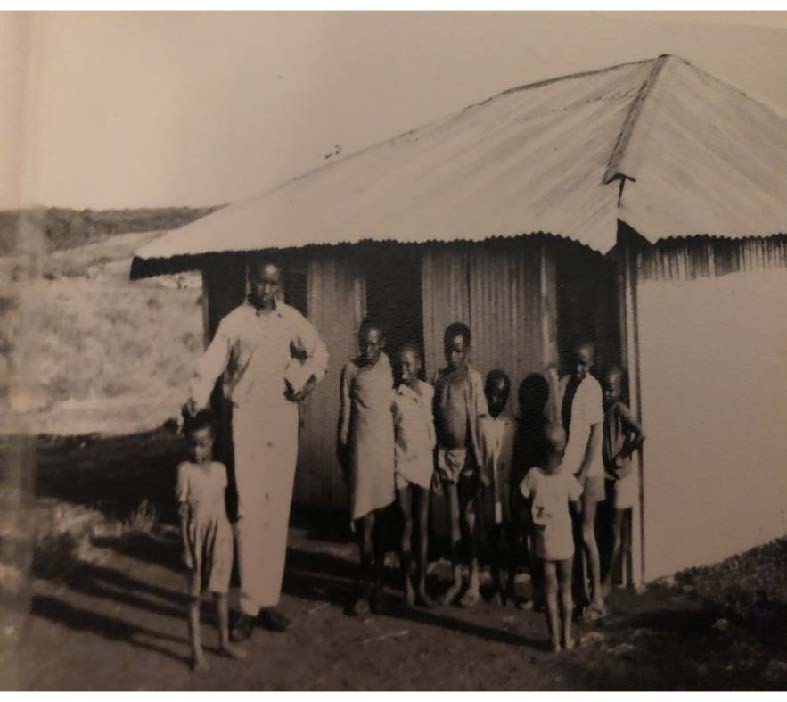
Years later, Robin traveled to Songa, Kenya, where she taught English, reading, and sewing classes. She immersed herself in the community, learning to navigate a different way of life and stepping outside her own comfort zone. She even tried rendille banjo, a traditional, life-sustaining dish made with milk and camel blood.
But it was the relationships she formed in Songa that would leave the deepest impression on her.
Esiteri opened her small, one-room home to Robin and taught her the foundations of building a successful life as a woman. Mama Laychoya cared for her as a mother would, teaching her how to braid baskets and spending hours talking with her. Their bond became unbreakable. Robin also met Fred, with whom she developed a romantic relationship, and Barnaba, a local man whose friendship helped her understand the value of vulnerability.
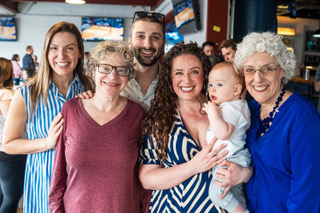
These relationships gave Robin an experience of family that she had spent years searching for. The people of Songa welcomed her into their lives, shared what they knew, and made space for her. They did not have to share her background or experiences to love her. Through their everyday acts of care, Robin began to understand that family is not always defined by biology. Sometimes, it is the people who open their homes, listen to us, teach us, and show up when we need them.
Robin's journey of self-discovery continued after she returned from Kenya. In her early 30s, she recognized her deep feelings for her current partner, a woman. Her experiences in Songa became part of a larger journey toward understanding her identity and recognizing the different ways love and belonging can take shape.
In Living With Strangers, Robin explores how the experiences that wound us can also become part of a larger story of healing, growth, and self-discovery. Her memoir does not erase the pain of her childhood or suggest that finding new relationships makes those losses disappear. Instead, she reflects on how the people we meet and the connections we build can change how we see ourselves and what we believe is possible for our lives.
This is also at the heart of Kidsave's work with older youth in foster care. Young people need more than a safe home. They need relationships with adults who see them, affirm their identities, and continue to show up as they navigate life beyond foster care. Mentorship can help create those connections by giving young people someone to turn to, learn from, and trust. While not every relationship becomes a permanent family, consistent support can help young people develop a stronger sense of belonging and build relationships that last.
As someone with lived experience in foster care, Robin has a perspective on what the system could do differently to better support young people. We asked her what changes she would make.
"More scrutiny of foster parents to ensure they are loving and caring. More funding would bring about more attention and care from social workers. Making therapy more affordable," she said.
Robin's response speaks to the importance of ensuring that children receive the care and support they need throughout their time in foster care. Many foster parents provide loving homes, but they also need resources and support to meet the needs of the children in their care. Greater investment in social workers, appropriate oversight, and affordable therapy can help ensure that young people have access to the support they need to heal and build healthy relationships.
Robin's story is a reminder that losing the family you were born into can create grief, but it does not mean you have to go through life without connection. Family and community can come from unexpected places, and meaningful relationships can help us understand ourselves in new ways. For young people in foster care, having someone believe in them and continue showing up can make a difference that lasts well beyond childhood.
Reflecting on the people she met in Songa and what family means to her now, Robin said, "I just saw love. I saw family love."
⸻
Robin Rosenbluth's memoir, Living With Strangers: Healing a Wounded Heart in a Distant Land, A Memoir, will be released October 27, 2026. It is published by She Writes Press and distributed by Simon & Schuster.
Watch Kidsave's exclusive interview with Robin on YouTube @KidsaveIntl